Explore our industrial-grade wheelchairs, micro-mobility control modules, solar-integrated power packs, and high-precision custom parts engineered for medical and commercial applications.
A pioneering force in premium mobility research, development, and industrial manufacturing since 1998.
Jinhua Kidvora Chair CO., LTD., founded in 1998, is a high-tech industry who focus on the wheelchair product research, development, production and sales.
Over two decades of dedicated growth and engineering innovation, Kidvora has evolved from a regional manufacturer to a global scale supplier. We are deeply committed to elevating the quality of life for individuals with physical limitations through smart, portable power-assist technologies and robust mechanical designs. Our strategic investments in advanced assembly lines, strict quality assurance frameworks, and customer-first support make us a leading enterprise in the international assistive medical device market.
After many years of growth, our company has amassed a wealth of experience. We also had our own concepts for product development and design, which helped us carve out a distinct niche in both domestic and international markets. As a result, we were able to export our products to the USA, Canada, United Kingdom, Germany, and other markets.
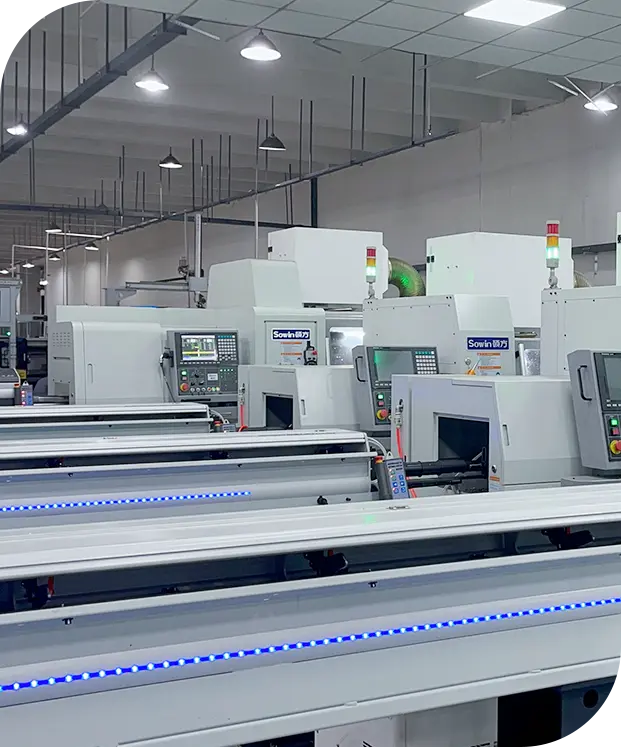
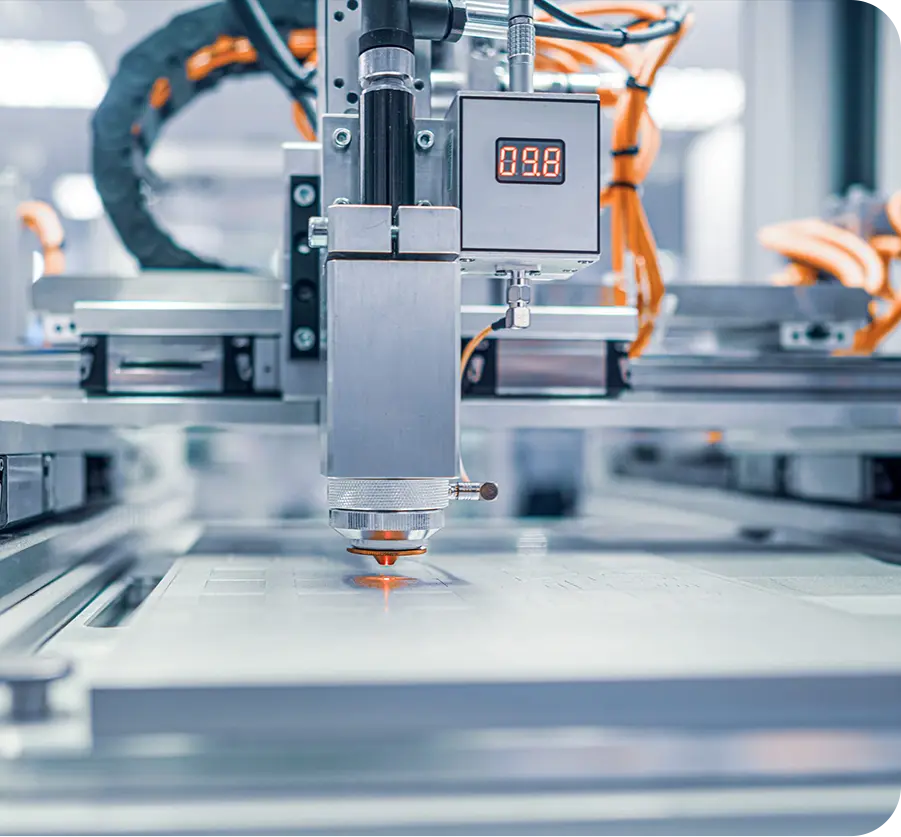
Our factory is located in Jinhua Yongkang, with a factory building area of more than 20000 square meters and 150+ employees. Our company has 60 sets of frame processing equipments such as punching machines, pipe bending machines, electric welding machines, etc.; 18 sets of injection molding machines; 3 sets of American Binks painting lines and UV plating lines; 4 sets of finished assembly lines, which occupy an important position in the field of wheelchairs in China.
We have the best products, best service, best credit, Kidvora has brilliant achievements in the field of auxiliary medical supplies and completed many large hospitals, rehabilitation institutions and other supporting services. We would like to become your most reliable long-term partner.
Deep-dive research on macroeconomic factors, demographic shifts, and the integration of power-assist technologies.
The global market for portable power assist devices (PPADs) is undergoing a structural paradigm shift. Driven by an aging population, rising global rates of mobility limitations, and a societal push for active lifestyle preservation, the demand for lightweight, smart, and modular power-assist components is higher than ever. According to global health studies, the population aged 65 and over is projected to double by 2050, directly accelerating the demand for smart assistive technologies.
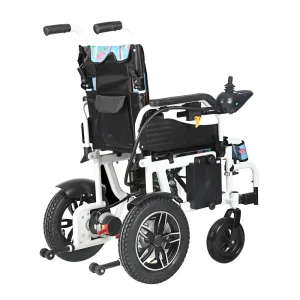
Power assist devices bridge the gap between traditional manual wheelchairs and heavy, bulky power chairs. Traditional wheelchairs often lead to long-term repetitive strain injuries (RSI) in the user's upper extremities due to repetitive propulsion. Conversely, standard power wheelchairs require dedicated vehicular transport structures and limit the physiological benefits of user exertion. Power assist devices resolve this conflict by offering motorized thrust to manual frames, either through rear wheel add-on kits, smart front-pulled drive systems, or integrated high-efficiency brushless hub motors.
By lowering the physical exertion needed for propulsion, power-assist solutions mitigate shoulder joint degradation and muscle soreness, allowing independent, long-range mobility in diverse terrains.
Modern micro-mobility and power assist platforms must seamlessly integrate with multi-modal urban transport networks, meeting stringent flight-safety standards and vehicle loading space limits.
Integrating regenerative braking systems and solar charging inputs expands operational range while decreasing relying on fossil-fuel heavy energy grids.
Adapting physical designs to unique environmental architectures, clinical requirements, and demographic variations worldwide.
A central tenet of the E-E-A-T framework is acknowledging that mobility is not one-size-fits-all. Different geographical locations and user archetypes dictate vastly distinct requirements:
| Target Scenario | Primary Technical Challenge | Critical Hardware Features Required | Recommended Kidvora Model Series |
|---|---|---|---|
| Pediatric Independence | Ergonomic adaptability & safety controls | Adjustable arm/legrests, safety harness, dual control options | Ksm-503c Series / Custom Pediatric |
| Long-Range Terrain Travel | Battery life & torque on steep inclines | High-voltage hub motors, solar backup, rugged wheels | 96V Solar-Ready Power / 500W Foldable |
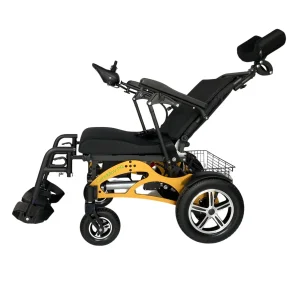
| Clinical & Hospital Transit | High payload capacity & positioning | Tilt-in-space, bariatric frames, pressure-relieving seat cushions | Debut D03 Reclining / Customizable Heavy-Duty |
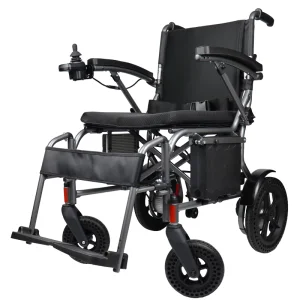
| Urban Micro-Mobility | Foldability & portability for transport | Quick-release folding mechanisms, lightweight alloys | Ksm-606 Ultralight / 250W Brushed Series |
A technical overview of Kidvora's engineering priorities, green energy transition, and human-machine interface integration.
Kidvora's research focuses on developing high-efficiency propulsion units. Brushless DC (BLDC) motors integrated within wheel hubs maximize torque output while keeping energy consumption low. By pairing these motors with field-oriented control (FOC) motor controllers, we achieve smooth, quiet acceleration curves.
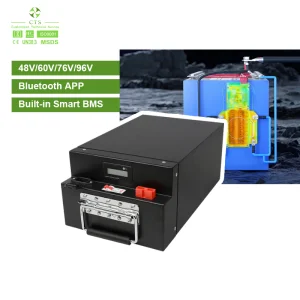
Additionally, we are leading the industry by introducing 96V solar-ready lithium battery setups featuring regenerative braking. This technology recaptures kinetic energy when decelerating or descending hills, converting it back into electrical energy to charge the lithium battery pack. This increases the total driving range by up to 15%, reducing energy consumption.
The push for portability requires using advanced lightweight materials without sacrificing structural integrity. Kidvora is moving from carbon steel frames toward high-strength, aerospace-grade aluminum alloys (6000 and 7000 series) and carbon-fiber composites. Our structural engineering process uses finite element analysis (FEA) to minimize weight in stress-free zones while reinforcing load-bearing joints, ensuring long-term durability under heavy dynamic loads.
The future of mobility assist devices lies in smart systems. Our product roadmap includes integrating IoT telematics, allowing users and fleet managers to monitor battery health, motor temperature, and navigation status via mobile applications. Bluetooth-enabled remote control systems allow caregivers to park or retrieve chairs from a distance, adding a layer of daily convenience and safety.
Our 96V 30ah/40ah Solar-Ready Lithium Regenerative Charging technology is a major milestone for off-grid and green mobility. Equipped with an integrated solar charge controller, it allows users to charge their devices via portable solar panels. Together with regenerative braking, it represents a step forward in sustainable assistive medical technology.
Understanding how the Yongkang industrial cluster drives manufacturing speed, cost efficiency, and quality control.
Kidvora's factory is located in the Jinhua Yongkang region, widely known as the hardware and manufacturing heart of China. This unique location provides a major competitive advantage for our B2B clients, distributors, and partners. The industrial cluster in Yongkang lets us source raw materials, high-precision electronic components, and specialized surface treatments locally, drastically shortening supply chain lead times.
Our 20,000 square meter factory is equipped with advanced machinery designed for vertical integration:
By managing the manufacturing process from raw steel/aluminum processing to final system assembly, Kidvora maintains complete quality control, keeps production costs low, and provides flexible customization (OEM/ODM) to meet regional requirements.
Meeting international quality benchmarks to ensure patient safety and streamline market entry.
Entering international medical markets requires adhering to strict regulatory frameworks. Kidvora designs all products with global compliance in mind:
Our products comply with the European Medical Device Regulation (MDR 2017/745), ensuring all electronic and mechanical systems meet strict health and safety standards in the European Economic Area.
Our electric wheelchairs and power-assist devices are designed to meet US FDA regulations, simplifying customs clearance and domestic distribution for North American medical equipment suppliers.
Our manufacturing facility follows ISO 13485 (Medical Devices Quality Management Systems), ensuring every production step—from raw material verification to final testing—is documented and traceable.
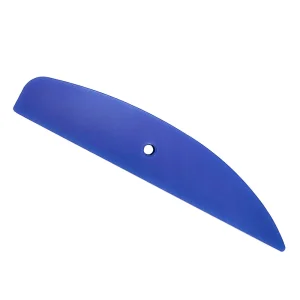
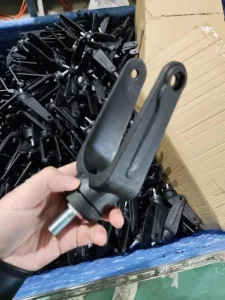
To support our global B2B clients, we offer localized support programs, including technical training for regional repair centers, readily available spare parts (such as custom plastic brackets, front forks, and wheel hubs), and engineering support for custom product localized registration.
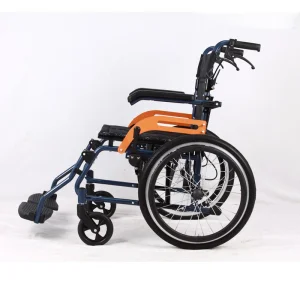
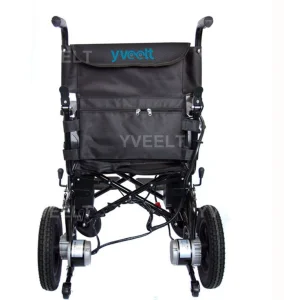
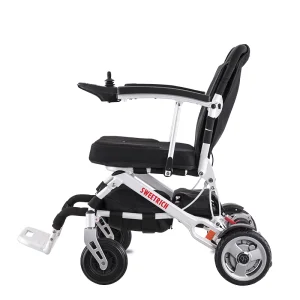
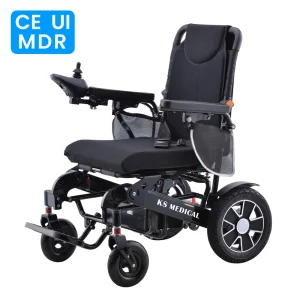
Broaden your portfolio with our highly reliable manual and motorized wheelchair series and OEM components.
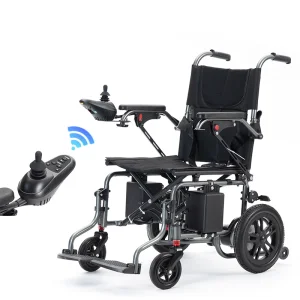
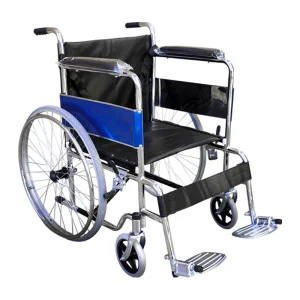
Answering key logistical, regulatory, and mechanical questions for B2B buyers and medical equipment distributors.
 Kidvora Chair