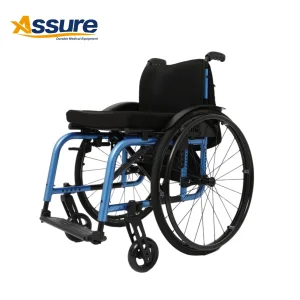
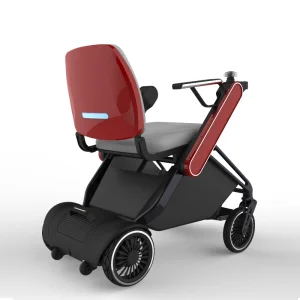
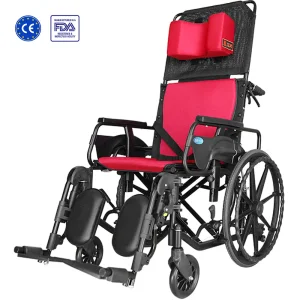
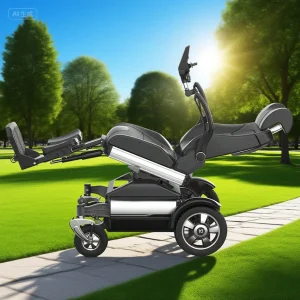
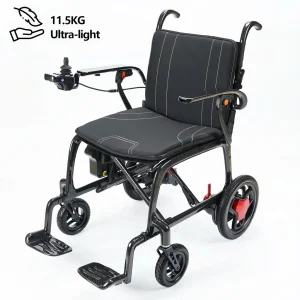
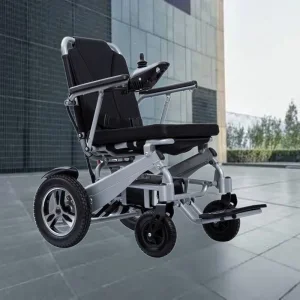
Engineered to comply with stringent European CE MDR requirements. Explore our top medical-grade personal transport devices configured for modern travel demands.
In the rapidly evolving global healthcare ecosystem, travel wheelchairs are no longer viewed merely as passive mechanical devices. Driven by an aging worldwide population and a paradigm shift toward active lifestyle preservation for persons with limited mobility, today's travel wheelchairs represent a confluence of biomedical engineering, micro-materials science, and ergonomic specialization. For hospital procurement managers, healthcare distributors, and commercial suppliers, sourcing high-quality medical equipment requires navigating complex compliance matrices, optimizing logistics, and ensuring raw product reliability.
This comprehensive paper evaluates the technical frameworks, global supply-chain strategies, localized application parameters, and rigorous regulatory compliance standards that define the modern manufacturing and export sector for CE-certified travel wheelchairs.
The global market for personal mobility devices is experiencing sustained compound annual growth. Market intelligence suggests this trajectory is driven by key demographic and institutional shifts:
Manufacturing premium travel wheelchairs requires balancing material science, electronics (for powered options), and mechanical load dynamics. Below is the technical roadmap directing current research, development, and engineering at Jinhua Kidvora Chair CO., LTD.
| Material / Component Type | Technical Characteristics | Tensile Strength & Weight Ratio | Target Clinical Applications |
|---|---|---|---|
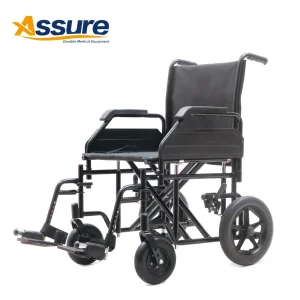
| 6061-T6 Aluminum Alloy | Precipitation-hardened structural material, magnesium-silicon alloyed. High corrosion resistance. | Excellent (~310 MPa yield strength); moderate frame weight (~12-14kg total). | Universal transit travel models, entry-to-mid range folding manual wheelchairs. |
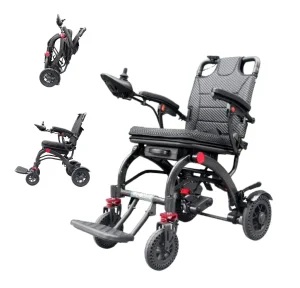
| Aerospace Grade Carbon Fiber (T700) | High modulus unidirectional weave with epoxy resin matrix. Absorbs high-frequency road vibration. | Outstanding weight-to-strength ratio; ultra-light frame weight (<9kg total). | Premium travel, long-haul active sports chairs, airline gate-check optimized wheelchairs. |
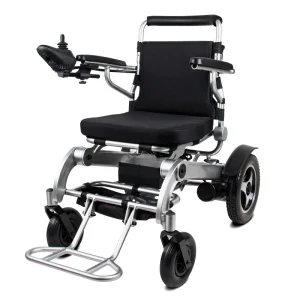
| Lithium Iron Phosphate (LiFePO4) Battery | Stable cathode chemistry, non-combustible thermal profile, long cycle life (2000+ charges). | Standard energy density; high safety matrix. Complies with UN38.3 airline regulations. | Smart folding electric travel wheelchairs, lightweight power scooters. |
| Polyurethane Solid Tyres (PU) | Micro-cellular elastomeric matrix, puncture-proof, flat-free operation on variable surfaces. | Zero maintenance; excellent shock absorption comparable to pneumatic systems. | Outdoor/indoor hybrid transit chairs, heavy-duty electric models. |
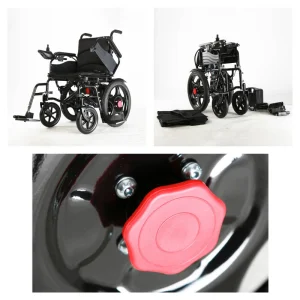
Modern travel wheelchairs use complex mechanical linkages. Incorporating three-dimensional folding geometries allows chairs to fold into compact shapes that fit in standard aircraft overhead compartments, vehicle trunks, and tight train storage bays. The structural challenge lies in preventing joint degradation after thousands of folding cycles.
To solve this, our engineering designs use self-lubricating phosphor-bronze sleeve bushings at high-wear pivot points. This significantly reduces play, prevents frame misalignment over time, and ensures smooth operation even in harsh environmental conditions, such as salty sea air or dusty terrain.
The usability of a travel wheelchair depends heavily on its operating environment. Design requirements change based on where the wheelchair is used.
Requires strict compliance with IATA battery transport regulations. Chairs must feature rapid, tool-less folding mechanisms and compact dimensions. This allows them to pass easily through standard security scanners and fit in aircraft cabin coat closets or overhead storage bins.
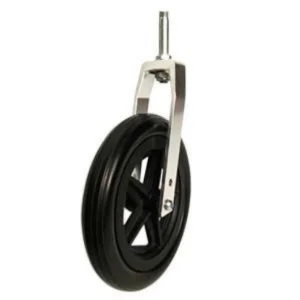
Demands robust front-caster suspension and anti-tip configurations. Travel wheelchairs in historical European or Asian city centers must navigate cobblestones, light rail tracks, and steep curbs without compromising rider safety or comfort.
Requires deep ergonomics, supportive seating, and options like a 180-degree reclining backrest. This design helps prevent pressure sores and supports therapeutic positioning for recovering patients during extended transit periods.
Choosing a manufacturing partner requires looking beyond unit pricing to evaluate production infrastructure, capacity, and quality control systems.
Established in 1998, Jinhua Kidvora Chair CO., LTD. has grown into a leading manufacturer of high-quality wheelchairs and mobility equipment in China. Located in the Yongkang industrial region of Jinhua, Zhejiang, our factory covers over 20,000 square meters and houses a team of more than 150 skilled professionals.
Our facility features advanced manufacturing equipment that guarantees consistent quality and high output. Our production line includes:
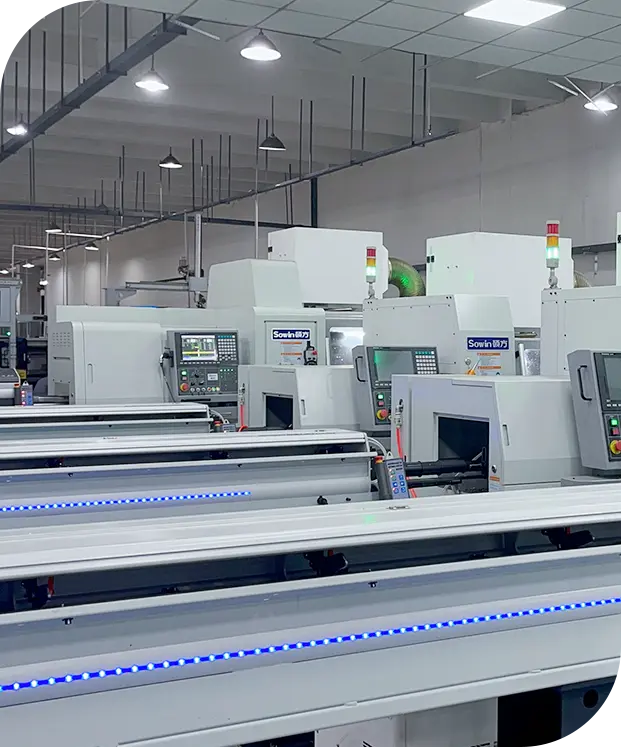
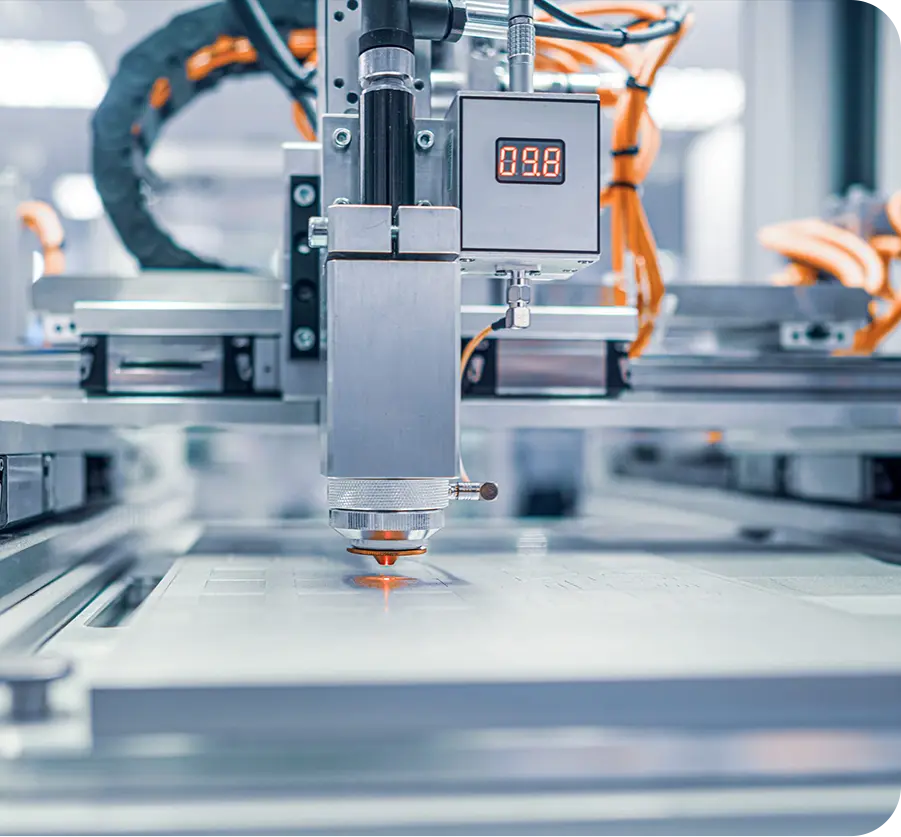
By managing all primary manufacturing steps in-house—from raw metal tube bending to final surface finishing and assembly—we maintain complete control over our production schedule and quality standards. This vertical integration allows us to keep lead times stable even during periods of global raw material shortage.
Our quality control team performs rigorous testing on every production batch. This testing includes dynamic drop-testing, fatigue testing of folding mechanisms, drum-test wear simulations, and environmental chamber testing to ensure our coatings resist corrosion and stand up to long-term wear.
Compliance is the foundation of importing medical devices into Europe and other international markets. True CE conformity requires adhering to the European Medical Device Regulation (EU 2017/745) and meeting key international standards:
The mobility industry is moving toward smarter, lighter, and more connected designs. Our engineering roadmap focuses on three main developments:
Discover our comprehensive range of specialized transit wheelchairs, heavy-duty power configurations, and custom wheelchair components.
Answers to critical technical, regulatory, and logistics questions from professional medical equipment distributors and procurement teams.
 Kidvora Chair